
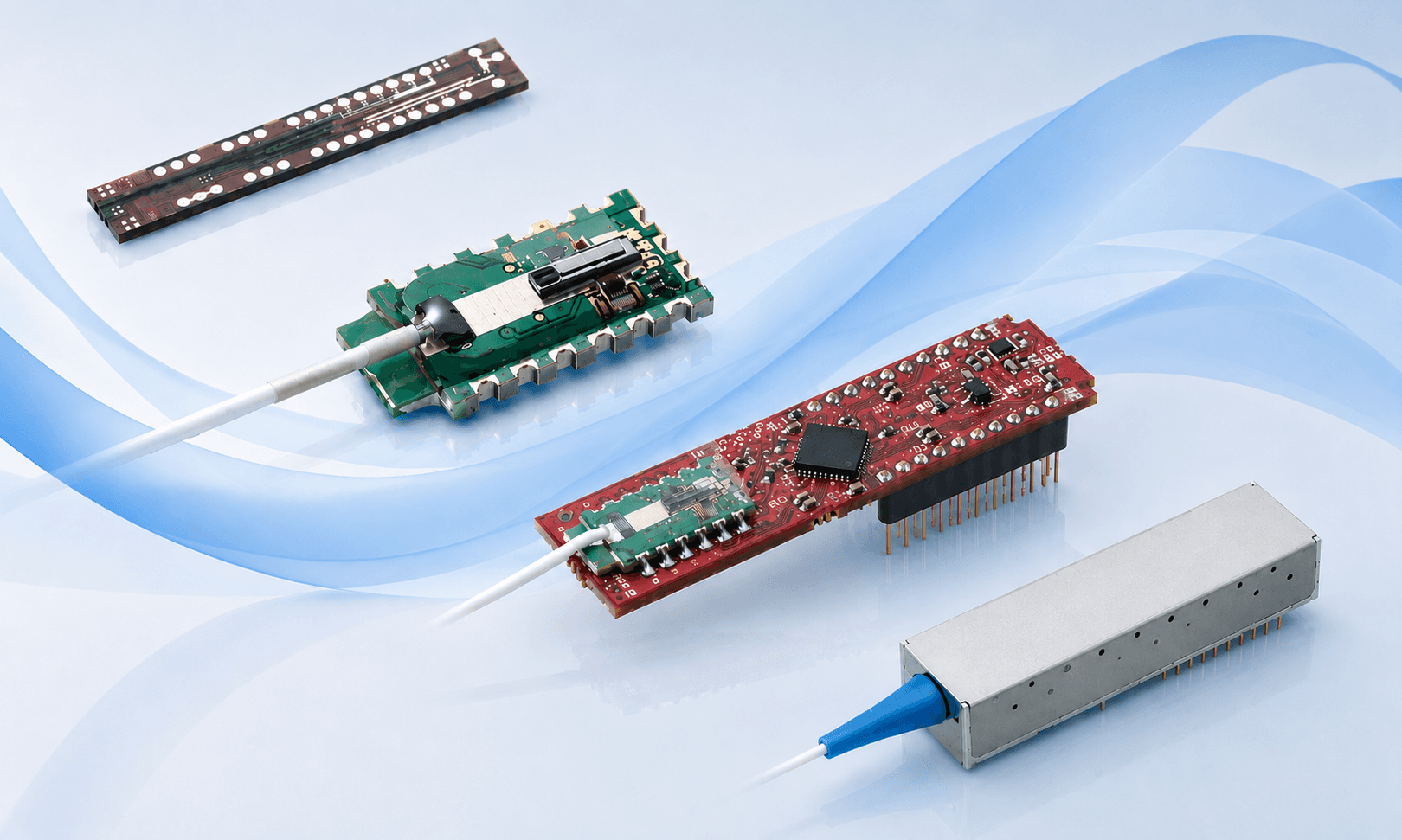
Fiber-optic assemblies are highly sensitive to component and alignment tolerances, often resulting in performance degradation, manufacturing complexity, and reduced yield. River Optical Solutions develops robust fiber-based and free-space optical packaging architectures and alignment strategies for fiber-to-PIC, fiber-to-fiber, and FAU assemblies for telecom/datacom photonics platforms that improve manufacturability, maximize yield, and reduce production cost.
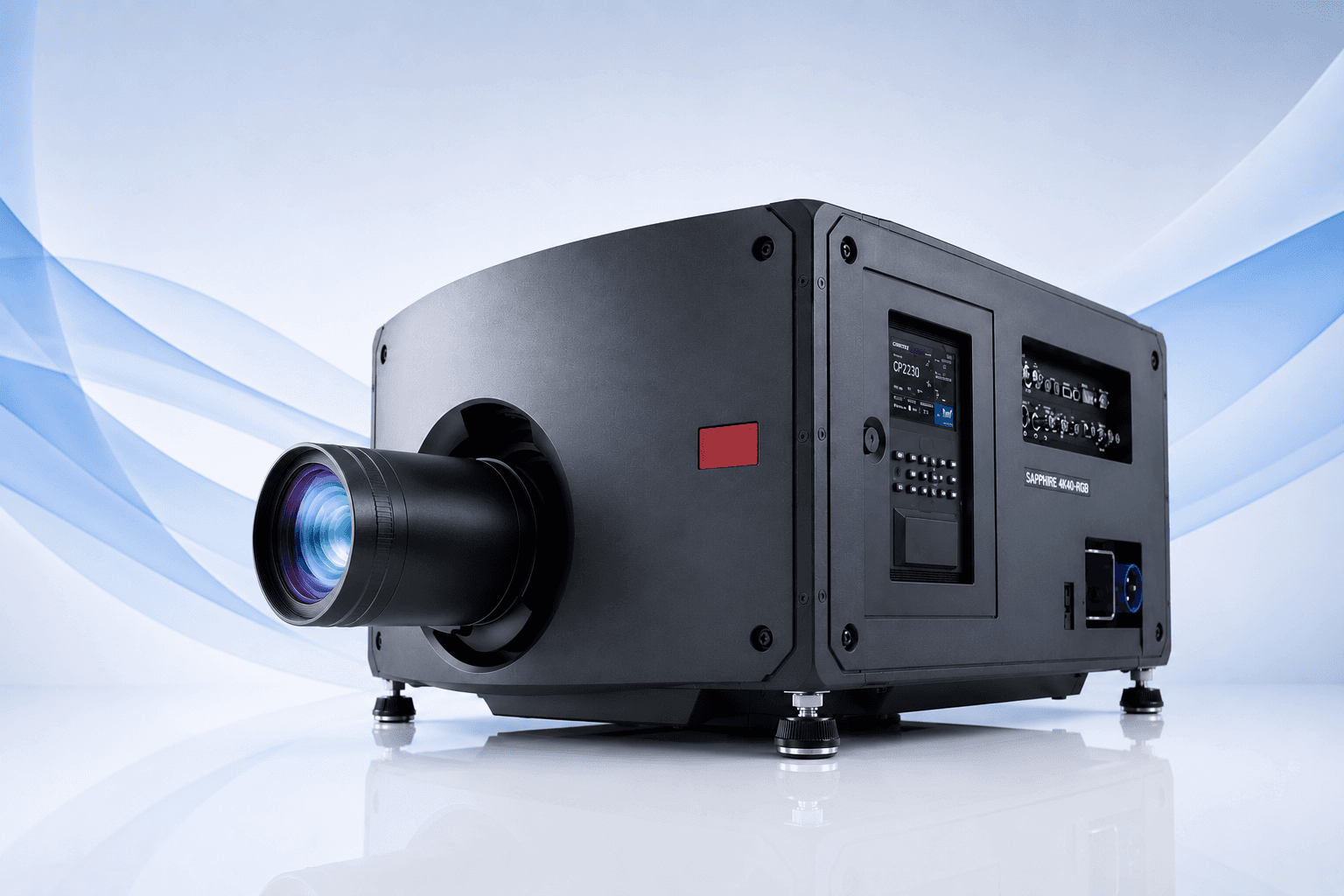
Modern projection and industrial lighting systems must provide optimal image quality (including illumination uniformity, brightness, and color uniformity) across demanding operating conditions such as wide temperature ranges. River Optical Solutions develops optical architectures, custom lens solutions, and integration strategies that optimize performance while supporting robust, production-ready deployment.

AR eyewear platforms require precise component registration, optical alignment, assembly control, and production verification to achieve consistent eyebox placement and optical optical performance. River Optical Solutions develops integration and alignment methodologies, calibration strategies, and manufacturable workflows that support the transition from prototype development to pilot manufacturing.
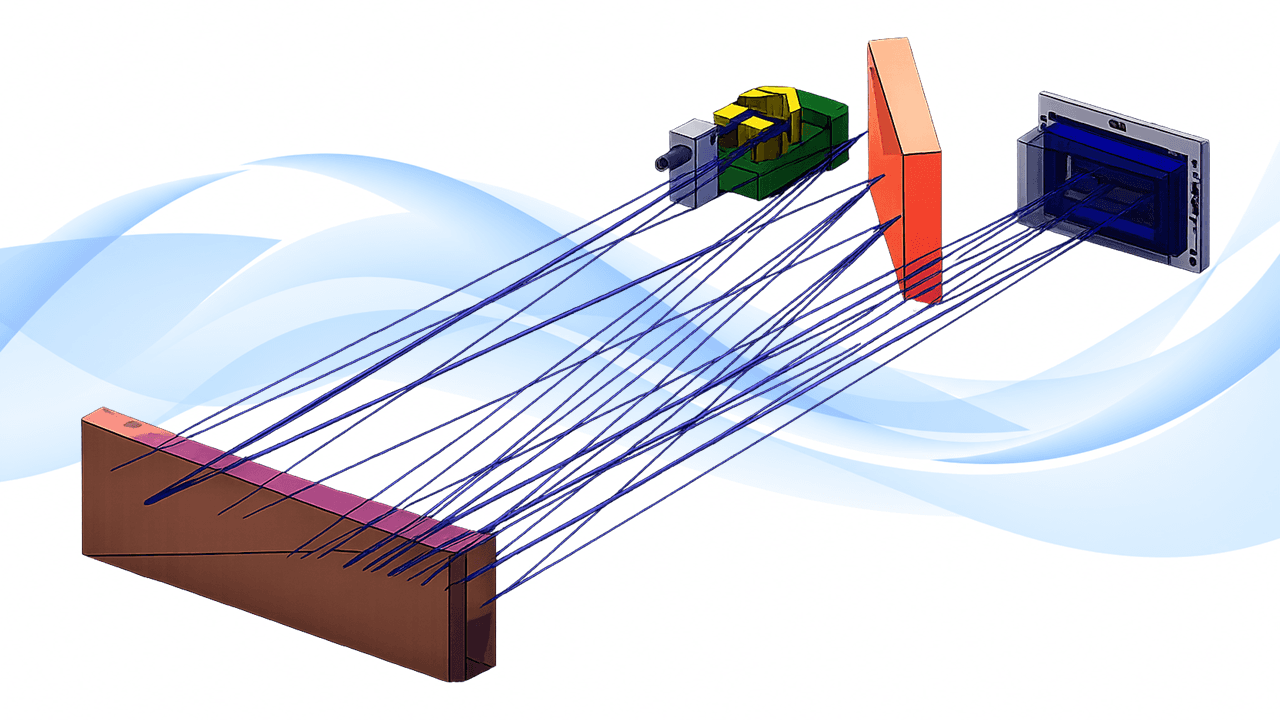
Complex optical products must balance performance, manufacturability, yield, and cost while managing technical risk throughout development. River Optical Solutions develops system architectures, trade studies, tolerance analyses, and statistical models that guide design decisions, reduce development risk, and support robust, high-yield production.

River Optics provides senior optical systems engineering support spanning feasibility studies, architecture development, tolerance-driven design, integration, validation, and pilot-production readiness across advanced optical and photonic platforms.
With more than 30 years of experience, Rajiv Iyer has contributed to telecom & datacom photonics, AR smart glasses, high-brightness projection optics, illumination systems, and manufacturable optical architectures requiring tight performance and manufacturability control.
Programs typically involve close collaboration across optics, opto-mechanics, electronics, manufacturing, quality, and suppliers to reduce technical risk, accelerate development readiness, and improve manufacturable system performance.